Women, Peace & Security
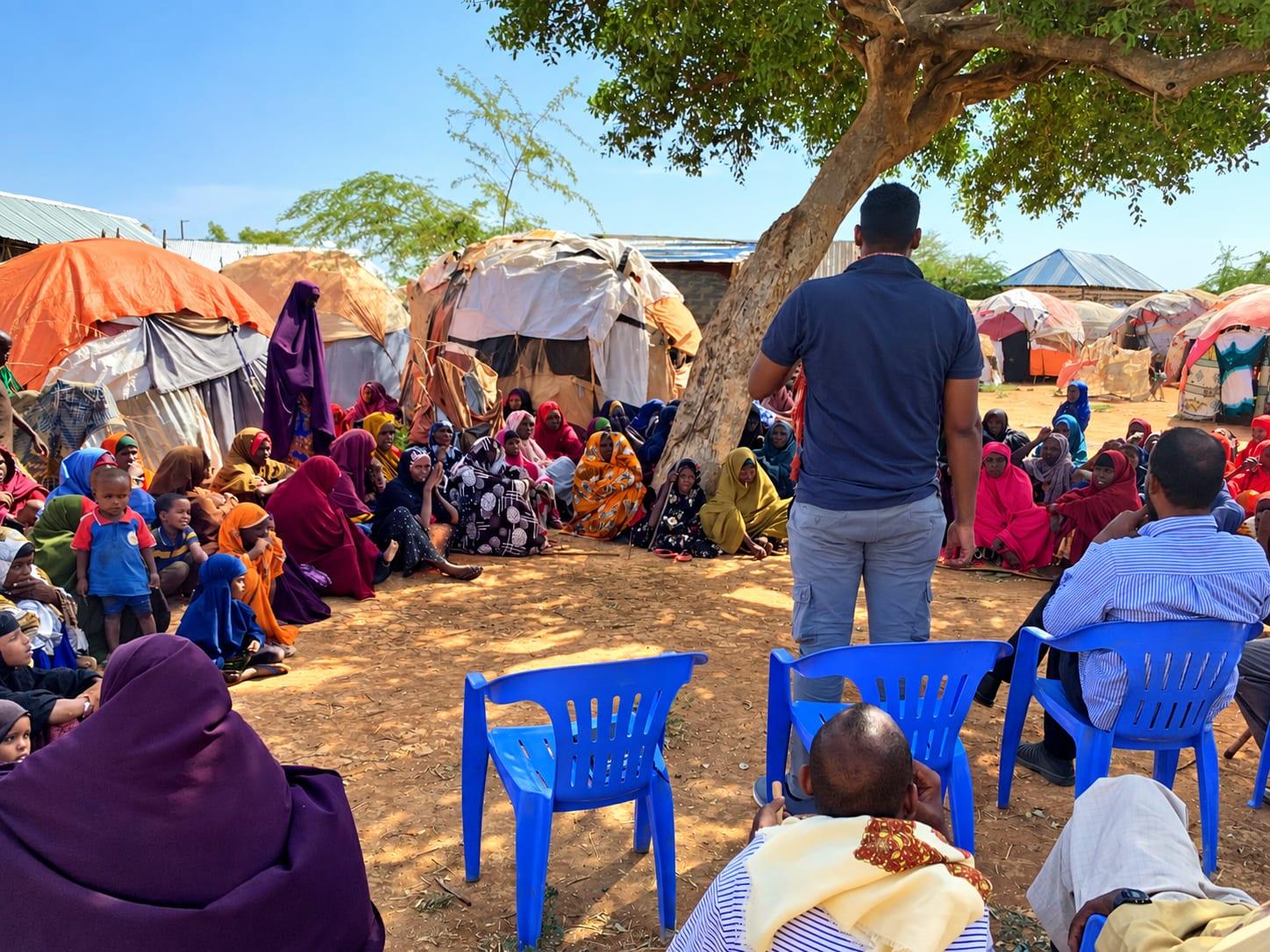
Peacebuilding and women’s leadership are WPP’s institutional anchor.
Learn more: Women, Peace & SecurityWPP Somalia
Our Work
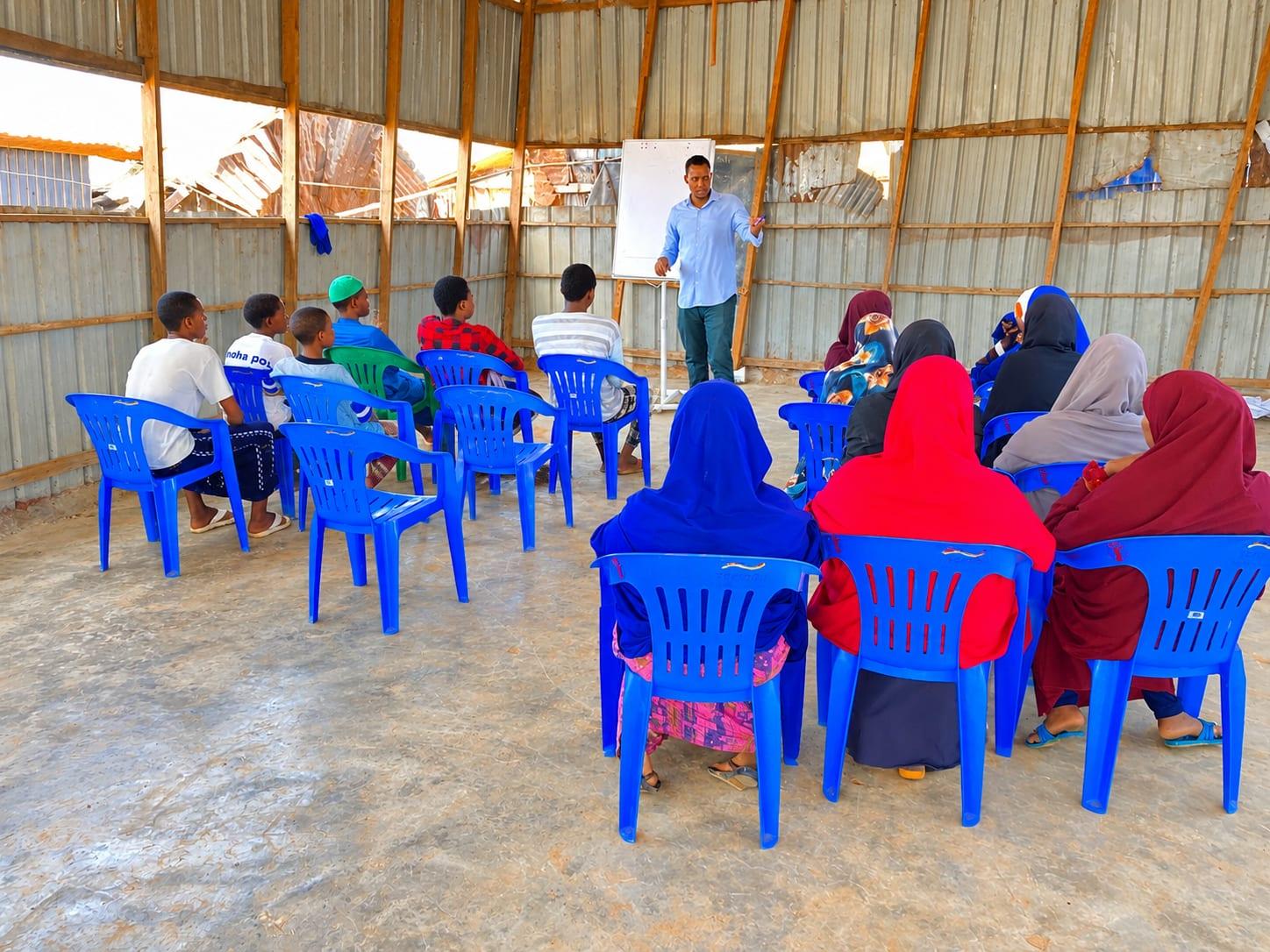
WPP organises its mandate around four strategic pillars and ten strategic objectives, working across the Humanitarian–Development–Peace Nexus.
WPP organises its broad mandate around four mutually reinforcing strategic pillars: (1) Women, Peace and Security & Peacebuilding; (2) Protection, Rights & Community Resilience; (3) Humanitarian Response, Food Security & Resilient Livelihoods; and (4) Climate-Resilient Basic Services. Governance, localisation, institutional capacity and community participation are cross-cutting enablers across all four pillars.
Peacebuilding and women’s leadership are WPP’s institutional anchor.
Learn more: Women, Peace & Security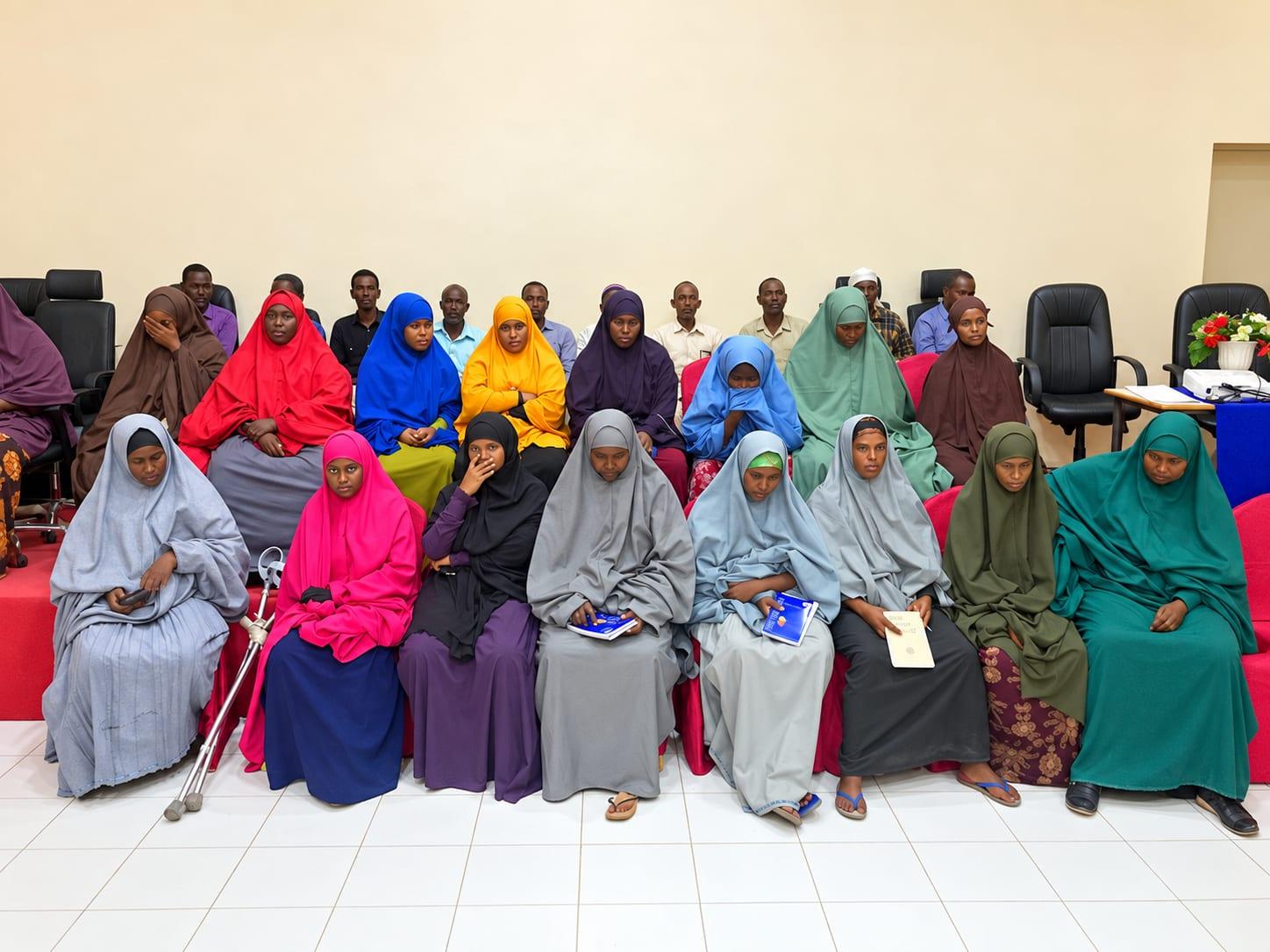
Increase meaningful participation and leadership of women and girls in peacebuilding, governance, decision-making and community development.
Learn more: Women’s leadership & participation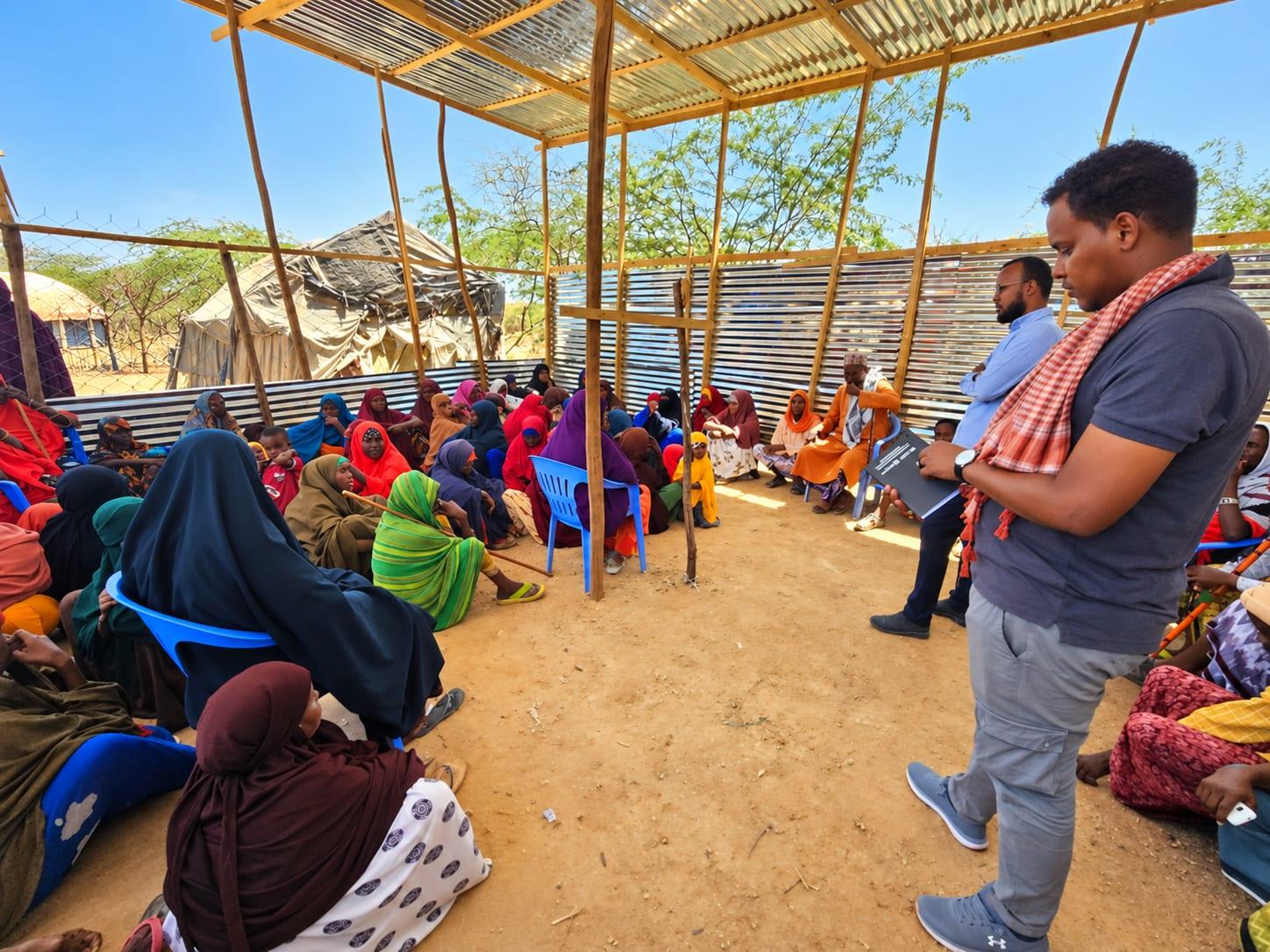
Prevent conflict, strengthen mediation and dialogue, and build trust and peaceful coexistence across diverse communities.
Learn more: Peacebuilding, reconciliation & social cohesion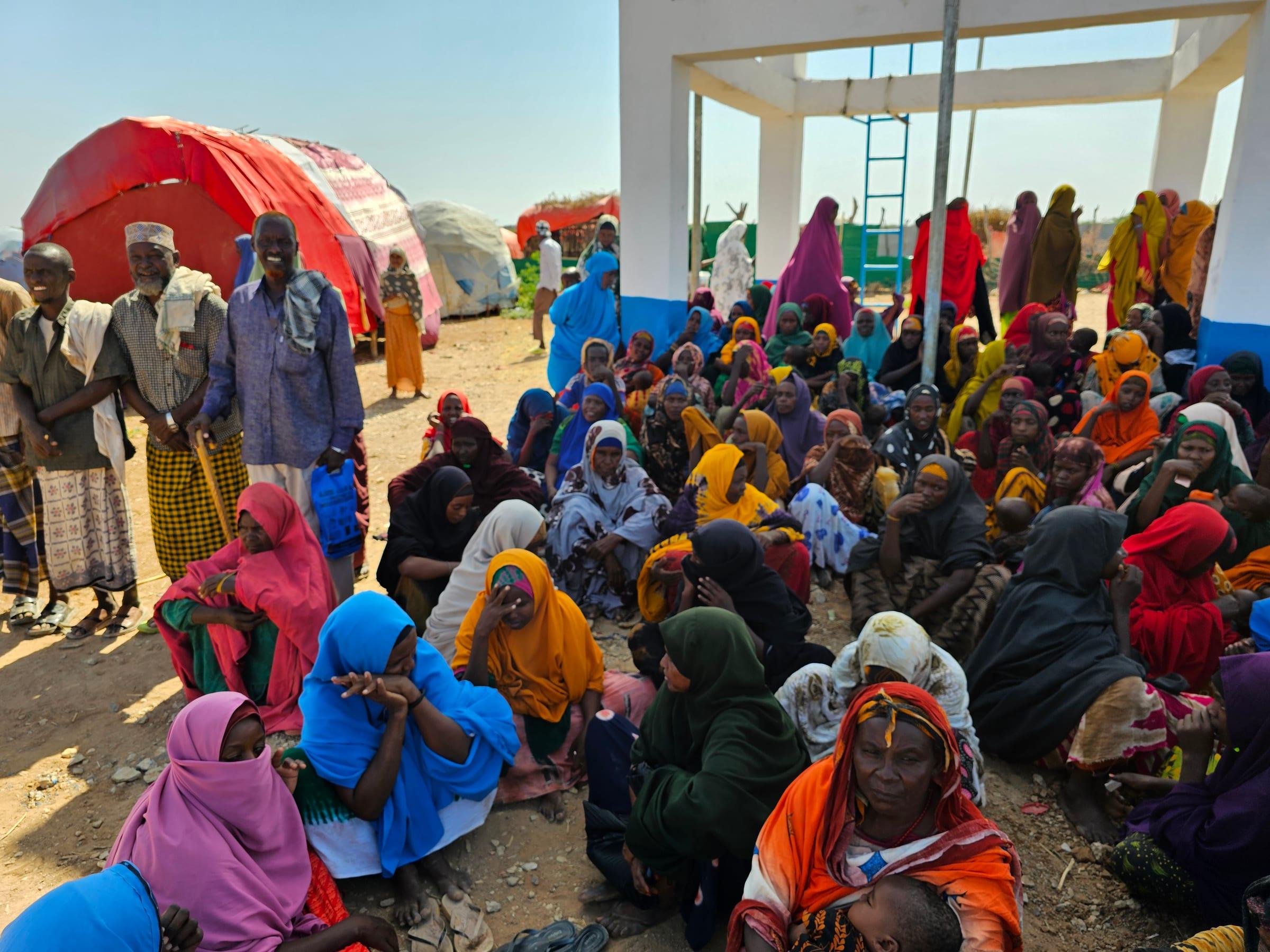
Protect vulnerable people and advance human rights, gender equality, safeguarding and social justice.
Learn more: Protection, rights & gender equalityProvide timely, accountable assistance while strengthening recovery, preparedness and community resilience.
Learn more: Humanitarian response & resilience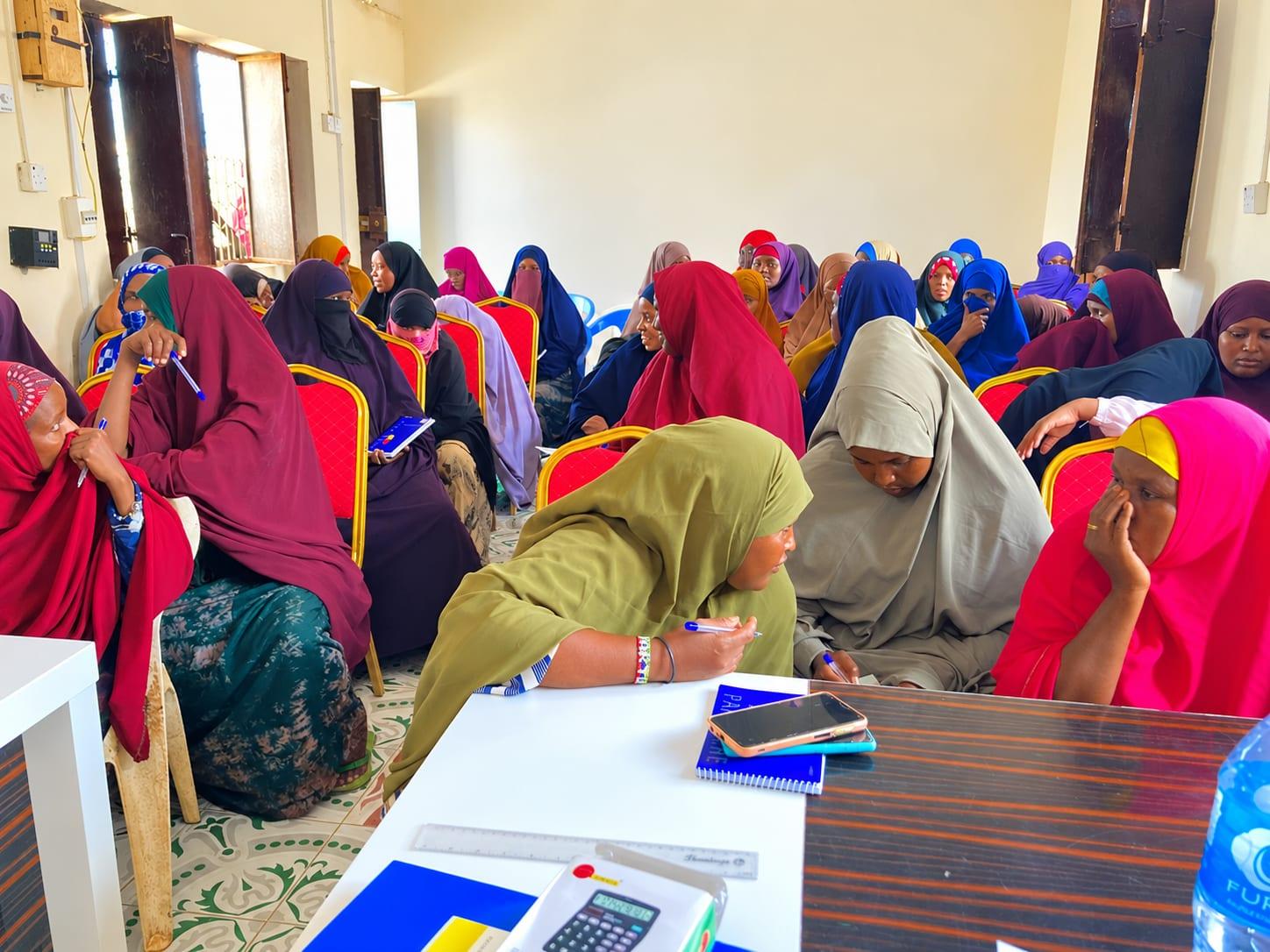
Strengthen income, self-reliance and food security through enterprise, skills, agriculture and climate-smart livelihoods.
Learn more: Livelihoods, food security & economic empowermentSupport equitable access to WASH, health, nutrition, education and psychosocial support.
Learn more: Essential servicesPromote accountable institutions, citizen engagement, transparency and inclusive local decision-making.
Learn more: Good governance & civic participationAdvance climate adaptation, sustainable natural resource management and ecosystem protection.
Learn more: Climate resilience & environmental sustainabilityStrengthen local institutions, women’s networks, youth groups and community structures.
Learn more: Institutional & community capacityBuild equitable partnerships that reinforce locally led action, learning and sustainable impact.
Learn more: Partnerships & localisationWPP’s programming recognises that humanitarian need, displacement, weak systems, climate shocks and unresolved conflict reinforce one another. The organisation therefore designs interventions so that emergency support protects life and dignity, development and durable-solutions investments strengthen systems, tenure security and livelihoods, and peacebuilding reduces the tensions that can undermine recovery, return, local integration and social cohesion.
| Sector | Humanitarian | Development / resilience | Peace / cohesion |
|---|---|---|---|
| Protection / HLP | Emergency protection, referrals, cash-linked protection and support to displaced households. | Community protection mechanisms, legal awareness, HLP support and stronger referral pathways. | Mediation around land, return, eviction and host–IDP tensions; women’s participation in dispute resolution. |
| Livelihoods & food security | MPCA/CVA, emergency livelihood inputs and recovery support. | VSLAs, enterprise, skills, climate-smart agriculture, livestock and market linkages. | Joint economic interests, conflict-sensitive targeting and negotiated access to productive resources. |
| WASH / climate | Emergency water, hygiene and sanitation support. | Rehabilitation, community management, climate adaptation and sustainable natural-resource management. | Inclusive resource committees, negotiated water access and local dispute-resolution mechanisms. |
| Governance | Community feedback and coordination during response. | Civic participation, institutional capacity and social accountability. | Women’s representation, dialogue, reconciliation and stronger local legitimacy. |
| Health & nutrition | Community health, nutrition awareness, screening/referral and emergency public-health support. | Community systems, prevention, maternal/child health promotion and stronger local linkages. | Shared services as neutral entry points for cooperation and social cohesion. |